Designing Outdoor Living Spaces for UAE Weather: Balconies, Terraces & Gardens
In the UAE, outdoor space has a short window between “beautiful” and “too hot to use.”
A balcony may look perfect in winter, yet sit empty through the summer. A terrace can have expensive furniture, elegant paving, and carefully selected plants, but still feel uncomfortable if there is no shade, airflow, or protection from the afternoon sun.
The best outdoor spaces in Dubai are not designed as an afterthought. They are planned around the climate, the way people live, and the moments they want to enjoy outside.
Whether you are designing a villa garden, upgrading a luxury apartment balcony, or creating a terrace for evening entertaining, the goal is the same: to make the transition from indoors to outdoors feel natural, comfortable, and lasting.
Begin with how you want to use the space
Before choosing furniture or finishes, think about what the outdoor area should make possible.
Do you want a quiet morning coffee spot, an outdoor dining area for family gatherings, a lounge for evening entertaining, a play space for children, or a private retreat around the pool? Each use requires a different relationship between shade, seating, lighting, planting, storage, and circulation.
A balcony may need a compact dining set, privacy screening, and retractable shade. A large villa terrace may accommodate several zones, such as an outdoor kitchen, dining area, lounge, and poolside seating. A garden may need stronger connections between the interior, lawn, planting, pathways, and shaded areas.
The most successful outdoor designs do not simply place furniture on an empty surface. They create a sequence of experiences, allowing people to move comfortably from the living room to the terrace, from the terrace to the garden, and from one outdoor zone to another.
-
Design for the UAE Summer
Shade is the foundation of outdoor comfort in the UAE.
The position and movement of the sun should be studied before deciding where to place seating, dining, planting, or outdoor kitchens. A space that receives pleasant morning light may become unusable when exposed to strong afternoon sun, particularly on a west-facing balcony or terrace.
Shade is not decoration. It is the difference between a terrace people use and one they don’t.
A layered shade strategy often works best. This might combine a pergola, retractable awning, shade sail, covered walkway, mature planting, or vertical screen. Adjustable louvres can provide greater flexibility by allowing sunlight in during cooler periods and blocking direct heat when needed.
Shade structures should be designed for the specific site rather than selected only for appearance. Their orientation, height, material, fixing method, and wind exposure all affect performance. Engineered shade systems such as HDPE tensile structures can provide high UV protection, while well-positioned shade can significantly reduce the heat experienced beneath the structure.
For balconies, retractable awnings and exterior blinds can be useful because they offer flexibility during changing weather conditions. South- and west-facing spaces usually need more substantial protection from low-angle afternoon sun than north- or east-facing areas.
Choose materials that can handle the climate
Outdoor materials in the UAE face more than heat. They must also withstand intense UV exposure, humidity, dust, sand, thermal expansion, and occasional heavy rain.
That is why you should not use an indoor material outdoors simply because it looks attractive. A finish may fade, crack, corrode, become slippery, or become uncomfortable to touch when exposed to the local climate.
For outdoor furniture, powder-coated aluminium, suitable teak, synthetic wicker, UV-resistant plastics, and solution-dyed performance fabrics are commonly considered for their durability and resistance to heat, moisture, and fading. Coastal locations require particular attention to corrosion-resistant frames, fixings, and hardware.
For terraces and gardens, porcelain paving generally holds up better than natural stone in Dubai. It absorbs less heat, stays cooler underfoot, and needs less sealing over time. Composite decking and other exterior-grade surfaces can still suit the right design, but porcelain is usually the safer default. Textured or slip-resistant finishes matter most around pools and areas exposed to water.
Timber can create warmth and character, but the specification matters. Untreated timber in direct exposure may weather quickly, while suitable exterior-grade timber requires an appropriate finish and maintenance plan. No material is entirely maintenance-free, so the expected care should be considered before it is selected.
Make the indoor-outdoor transition feel seamless
A well-designed outdoor area should feel like an extension of the home rather than a separate space placed beyond it.
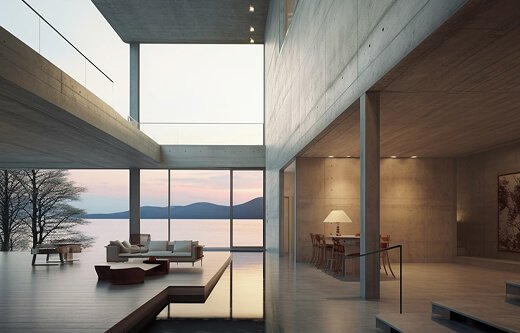
This connection can be created through consistent flooring tones, repeated materials, matching proportions, similar colour palettes, and carefully aligned openings. Large sliding doors, clear sightlines, shaded thresholds, and continuous lighting can help the interior and exterior feel connected even when the spaces are used at different times of day.
The best transitions disappear. You shouldn’t notice where the living room ends and the terrace begins.
The transition should also work practically. Door thresholds need careful detailing, furniture should not obstruct circulation, drainage should protect the interior, and outdoor lighting should support movement without creating glare inside the home.
For apartments, the design must also respect balcony loading limits, building rules, drainage conditions, privacy requirements, and restrictions on fixed structures or external alterations. These should be confirmed with building management before installation.
Plan for comfort beyond shade
Shade reduces direct heat, but comfort also depends on airflow, surface temperatures, seating, lighting, and planting.
A terrace with no breeze may still feel uncomfortable beneath a canopy, while a well-oriented space with ventilation can remain more pleasant for longer. Ceiling fans, portable fans, screened openings, misting, or carefully positioned planting can improve comfort depending on the location and humidity.
A shaded space with still, heavy air is still a space nobody sits in.
Water features can add visual calm and a sense of coolness, but they require proper waterproofing, drainage, servicing, and maintenance. Misting systems should also be selected carefully in humid areas, where excessive moisture may reduce comfort rather than improve it.
Planting can provide shade, privacy, softness, and seasonal interest. Trees and large planters should be positioned with mature growth in mind, not only how they look on installation day. The planting scheme should also consider irrigation, wind exposure, root behaviour, maintenance access, and the amount of direct sunlight each area receives.
-
Use lighting to extend the evening
In Dubai, outdoor spaces are often enjoyed most in the early morning and evening, particularly during the hotter months. Lighting therefore plays an important role in making the garden or terrace usable after sunset.
A layered approach usually feels more refined than a single bright light source. Soft ambient lighting can define the overall atmosphere, while focused lighting can guide pathways, highlight planting, illuminate steps, and support dining or cooking.
Warm lighting around seating areas can make the space feel inviting, while discreet architectural lighting can emphasise walls, trees, water, or textured surfaces. Good lighting should support the way people move through the space without making the terrace feel overexposed.
Outdoor fittings should be rated for their location and protected against heat, dust, and moisture. Cable routes, access for maintenance, and control systems should be considered during the design stage rather than after installation.
Design for the season you will actually use
The most realistic outdoor design is not one that promises the terrace will feel the same in every month of the year. It is one that responds to seasonal use.
During the cooler months, open seating, dining, fire features where permitted, and attractive planting can encourage longer evenings outdoors. During peak summer, shade, fans, cooling systems, durable materials, and flexible furniture arrangements become more important.
Covers and storage can protect cushions and furniture during periods of intense sun, dust, or humidity. Stackable or movable furniture can also allow the space to change between dining, entertaining, and quieter use.
Planning for seasonal adjustment often gives homeowners more value than installing a large number of permanent features that only work in one part of the year.
Do not overlook approvals and installation details
Some outdoor changes may require building-management, community, developer, or authority review, particularly when they affect façades, balconies, terraces, pools, pergolas, shade structures, drainage, electrical systems, or external equipment.
Before finalising the design, confirm whether the proposed works require:
- Building or community approval.
- Structural review for fixed structures.
- Waterproofing or drainage coordination.
- Electrical and lighting approval.
- Pool or landscape-related permissions.
- Access arrangements for installation.
- Maintenance and inspection provisions.
The requirements vary by property and location, so the approval route should be checked before materials are ordered or construction begins.
Create an outdoor space people will use
A beautiful outdoor space is not successful if everyone avoids it after the first warm afternoon.
The most valuable design decisions are often the ones that are felt rather than noticed: the shade arrives at the right time, the flooring remains comfortable, the seating faces the best view, the lights are soft, and the route from indoors feels effortless.
At 321 Interiors, we design outdoor living spaces around the realities of the UAE climate and the way each client wants to live. From balconies and terraces to villa gardens and poolside settings, we bring together spatial planning, shade, materials, lighting, planting, and practical detailing to create exteriors that feel connected to the home.
Outdoor living in Dubai should not be limited to a few perfect weeks. With the right design, it becomes part of everyday life, not a season you wait out.